

Traditional Hummus Recipe (Authentic, Creamy, and Easy)
Hummus is one of the most beloved dips in the world, known for its creamy texture, rich flavor, and incredible versatility. Made primarily from chickpeas, tahini, olive oil, lemon juice, and garlic, this traditional hummus recipe is simple, nutritious, and easy to prepare at home. With just a handful of ingredients and a food processor, you can make a smooth, restaurant-quality hummus in minutes.
Homemade hummus has become increasingly popular because it tastes fresher, costs less, and contains no preservatives compared to many store-bought versions. Once you try making hummus from scratch, it quickly becomes a staple recipe you’ll return to again and again.
What Is Traditional Hummus?
Traditional hummus is a Middle Eastern dip or spread made by blending cooked chickpeas with tahini (a sesame seed paste), olive oil, lemon juice, garlic, and salt. The result is a creamy, savory dip that pairs perfectly with warm pita bread, fresh vegetables, or grilled dishes.
Hummus has been enjoyed for centuries throughout the Middle East and Mediterranean regions, and it has become a global favorite thanks to its simple ingredients and satisfying flavor. While there are many modern variations, the classic recipe remains the most popular.
Why You’ll Love This Homemade Hummus
There are many reasons why this traditional hummus recipe stands out:
Quick and easy: This recipe takes only about five minutes to prepare.Healthy ingredients: Chickpeas provide plant-based protein, fiber, and essential nutrients.Budget friendly: Using canned chickpeas keeps the recipe affordable and convenient.Naturally vegan and gluten-free: Perfect for many diets and lifestyles.Versatile: Use it as a dip, spread, or side dish.
Because the ingredients are simple, the key to great hummus is balance. The nuttiness of tahini, the brightness of lemon juice, and the richness of olive oil combine to create the classic hummus flavor everyone loves.

Ingredients for Classic Hummus
This recipe uses pantry staples that are easy to find in most kitchens.
Chickpeas: The base of hummus. Canned chickpeas are convenient and work perfectly for quick hummus recipes.Tahini: A creamy sesame paste that adds depth and authentic flavor.Olive Oil: Adds richness and smooth texture.Lemon Juice: Provides acidity and freshness.Garlic: Gives hummus its bold, savory flavor.Salt: Enhances all the ingredients.
These simple ingredients blend together to create a creamy and balanced dip that tastes fresh and homemade.
How to Make Hummus
Making hummus at home couldn’t be easier. All you need is a food processor or blender.
Start by draining and rinsing the chickpeas thoroughly. This removes excess sodium and helps improve the flavor. Add the chickpeas to the food processor along with tahini, olive oil, lemon juice, garlic cloves, and salt.
Blend the mixture until smooth and creamy. If the hummus appears too thick, add a small amount of water and blend again until you reach the desired consistency. Scrape down the sides of the processor as needed to ensure everything blends evenly.
Once the hummus is silky and smooth, taste it and adjust the seasoning if necessary. Some people like a little extra lemon juice for brightness or more garlic for stronger flavor.
Transfer the hummus to a bowl and drizzle with olive oil before serving.

Tips for Extra Creamy Hummus
If you want ultra-smooth hummus, a few small tricks can make a big difference.
One helpful tip is blending the hummus longer than you might expect. Extra blending time helps break down the chickpeas and creates a smoother texture.
Another tip is adding a tablespoon or two of water during blending. This helps lighten the hummus and makes it creamier.
Some cooks also like removing the skins from the chickpeas for an even smoother dip, though this step is optional.
How to Serve Hummus
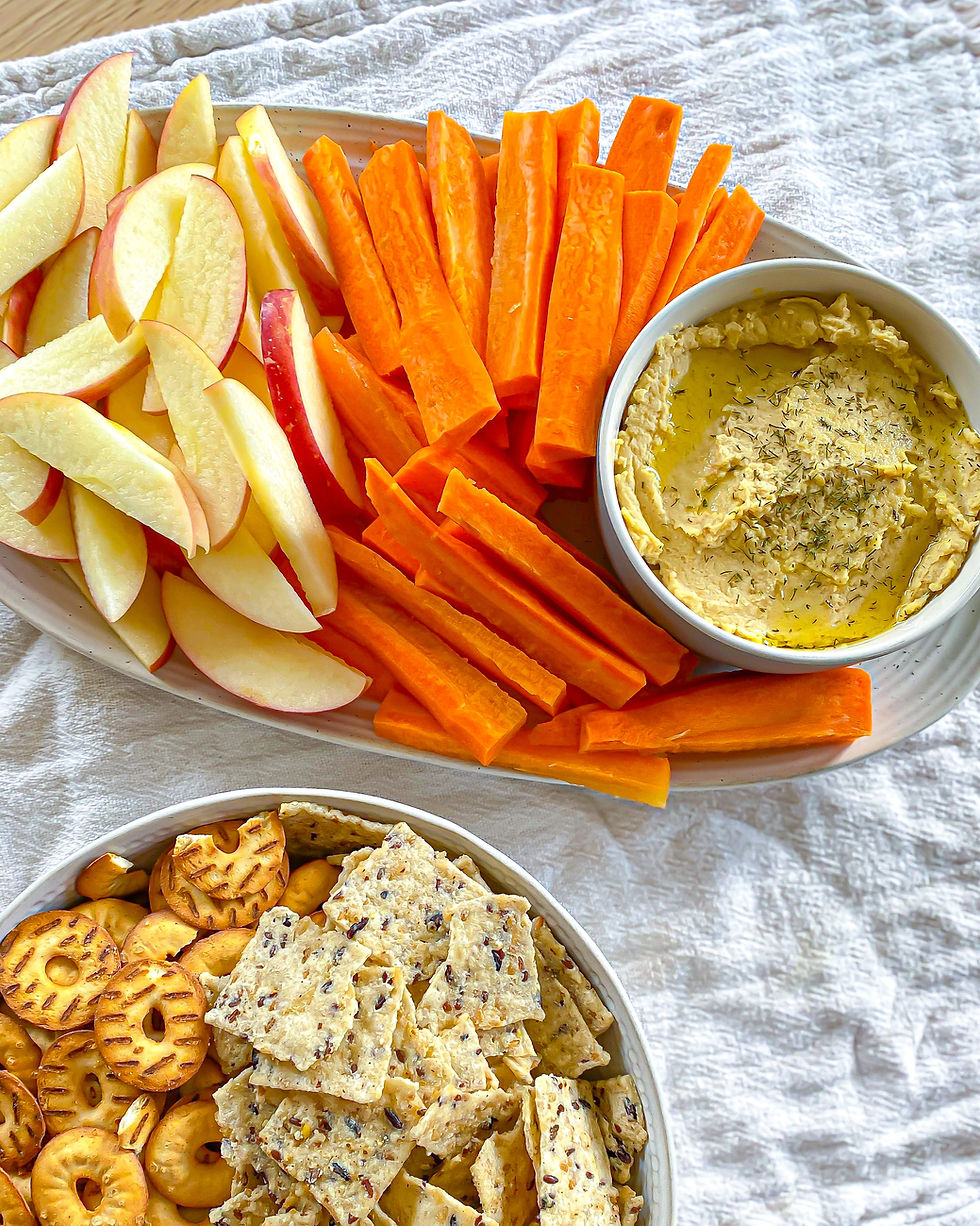
Hummus is incredibly versatile and can be served in many different ways. Traditionally, it’s served as a dip with warm pita bread or flatbread. It also pairs beautifully with fresh vegetables such as carrots, cucumbers, bell peppers, and celery.
You can also use hummus as a spread in sandwiches, wraps, or burgers. It adds flavor, creaminess, and nutrition without needing additional sauces.
Another popular way to serve hummus is as part of a Mediterranean mezze platter alongside olives, fresh vegetables, and other small dishes.
Hummus Variations to Try
Once you master the classic recipe, you can easily customize hummus with different flavors.
Some popular variations include roasted garlic hummus, roasted red pepper hummus, spicy hummus with chili flakes, or herb hummus with parsley and cilantro.
You can also experiment with toppings like paprika, toasted pine nuts, chopped herbs, or a drizzle of extra olive oil.
These variations allow you to create unique flavours while keeping the same creamy hummus base.

Storing Homemade Hummus
Homemade hummus stores very well in the refrigerator. Simply place it in an airtight container and refrigerate for up to five days.
Before serving leftover hummus, give it a quick stir and drizzle with fresh olive oil to revive the texture.
Hummus can also be frozen for longer storage, though the texture may change slightly once thawed.
Final Thoughts
This traditional hummus recipe proves that simple ingredients can create something truly delicious. With chickpeas, tahini, olive oil, lemon juice, and garlic, you can make a creamy and flavorful dip in just minutes.
Whether you’re serving it at a party, preparing a healthy snack, or adding it to sandwiches and wraps, homemade hummus is a versatile recipe that belongs in every kitchen.
Once you make hummus from scratch, you’ll discover just how easy and satisfying it is to create this classic Mediterranean favourite at home.
........................................................................................................................................................
........................................................................................................................................................


Comments